Projects
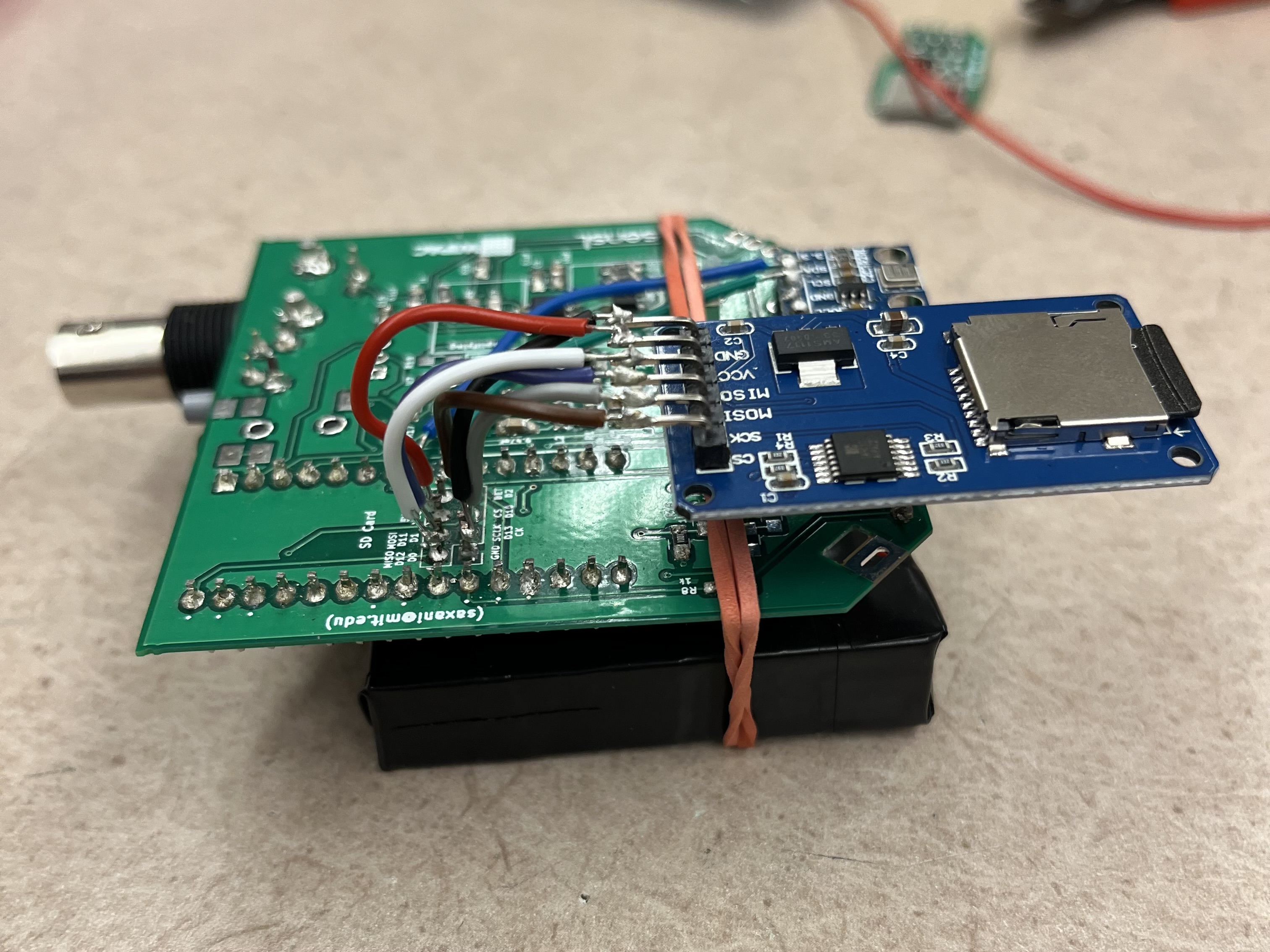
High Altitude Muon Detector
I led a team designing and building a muon detector to fly on a weather balloon at 30,000 m. The design was optimized from an MIT detector to minimize mass, volume, and power consumption while operating from 100 kPa to 1 kPa and temperatures from 25°C to −55°C. I developed software to store muon detection rate data as a function of altitude and oversaw circuitry design, Arduino coding, PCB assembly, scintillator assembly, testing, troubleshooting, and deployment, culminating in a successful launch in April 2024.
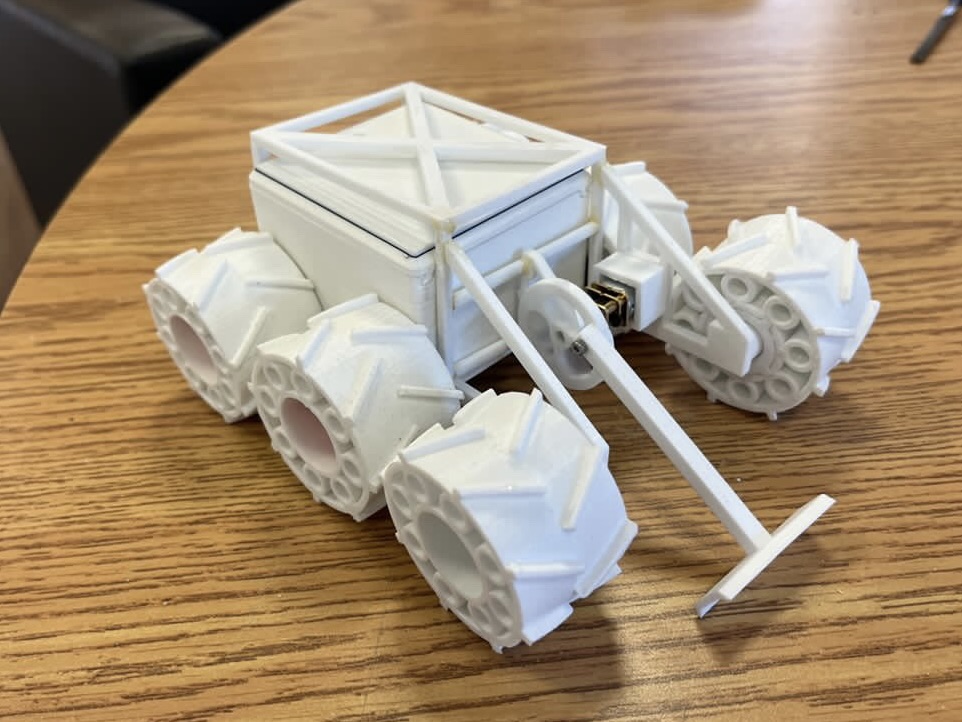
Lunar Rover Auxiliary Traction Mechanism
Mechanical and systems design of an auxiliary traction mechanism for a lunar rover, focusing on reliability in regolith, dimensional constraints, and integration with existing rover subsystems.
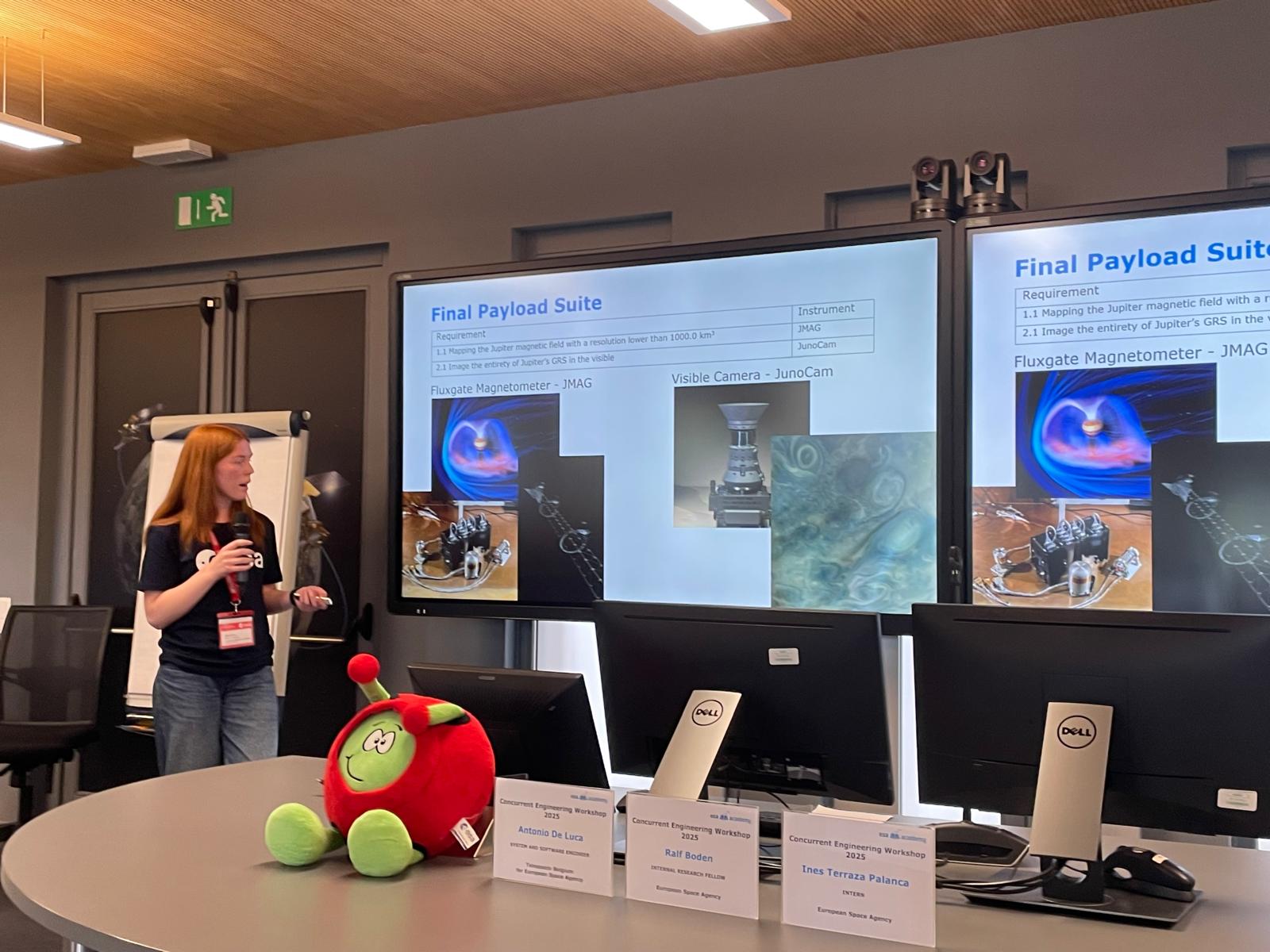
European Space Agency Concurrent Engineering Workshop
Participated in a week-long Phase 0 mission feasibility study using ESA’s COMET tool as a member of the payload team. I researched high-TRL instruments, performed preliminary data-rate and field-of-view calculations, and collaborated within ESA’s concurrent design framework to optimize power, mass, and payload integration. The mission objectives included mapping Jupiter’s magnetosphere, imaging the Great Red Spot, and demonstrating solar sail technology.